Personable, friendly and knowledgeable service. Looking Forward to my follow up therapy.
Acupuncture in Burlington
Acupuncture to Relieve Pain and Support Natural Healing
Acupuncture is a safe, evidence-informed treatment that can help relieve pain, reduce muscle tension, and support your body’s natural healing process. At Sheddon Physiotherapy, our clinicians may incorporate acupuncture or dry needling, when clinically appropriate, as part of a personalized treatment plan to improve movement, promote recovery, and help you return to the activities you enjoy.
Our Approach
Personalized Acupuncture Treatment for Pain Relief and Recovery
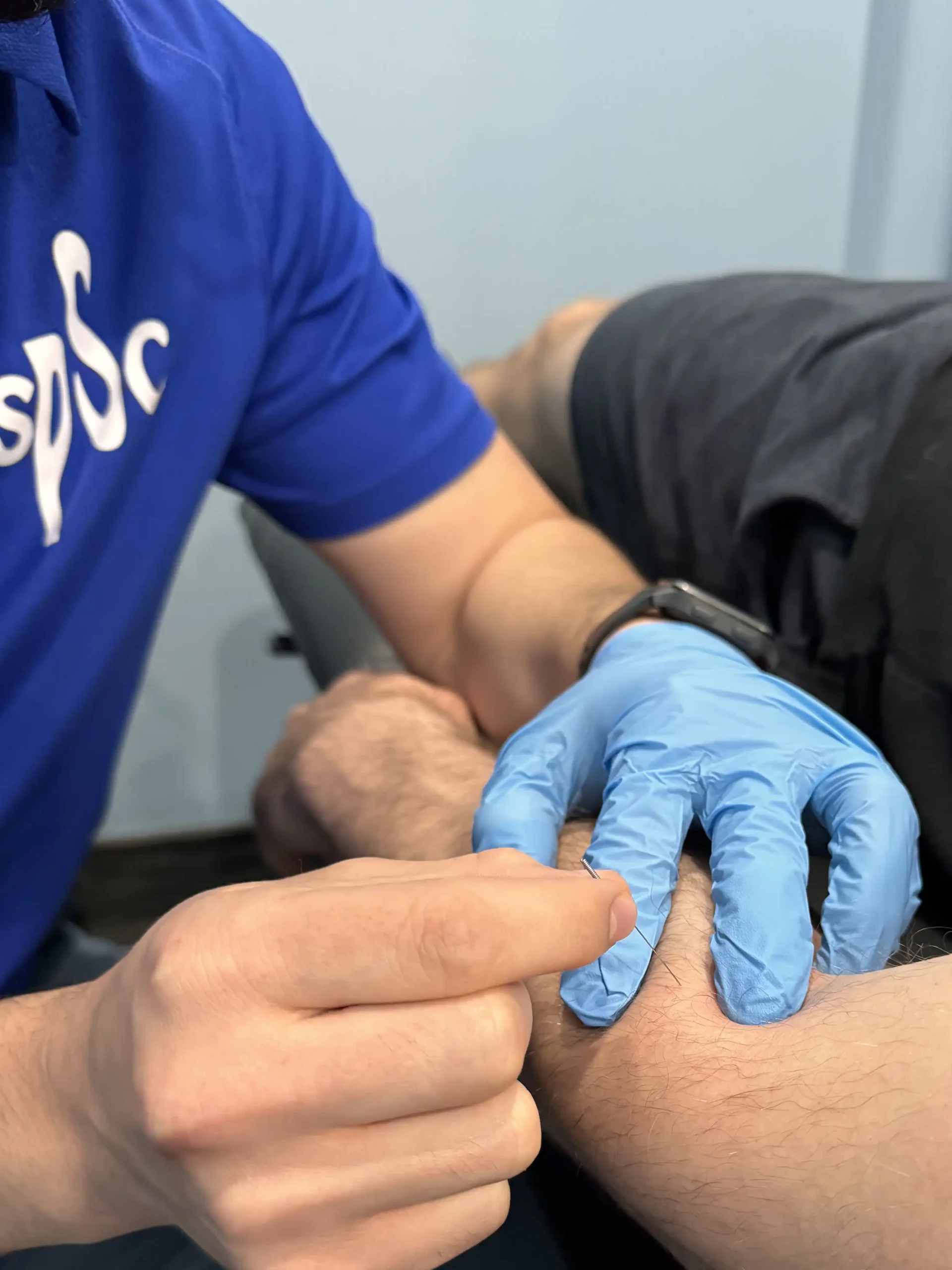
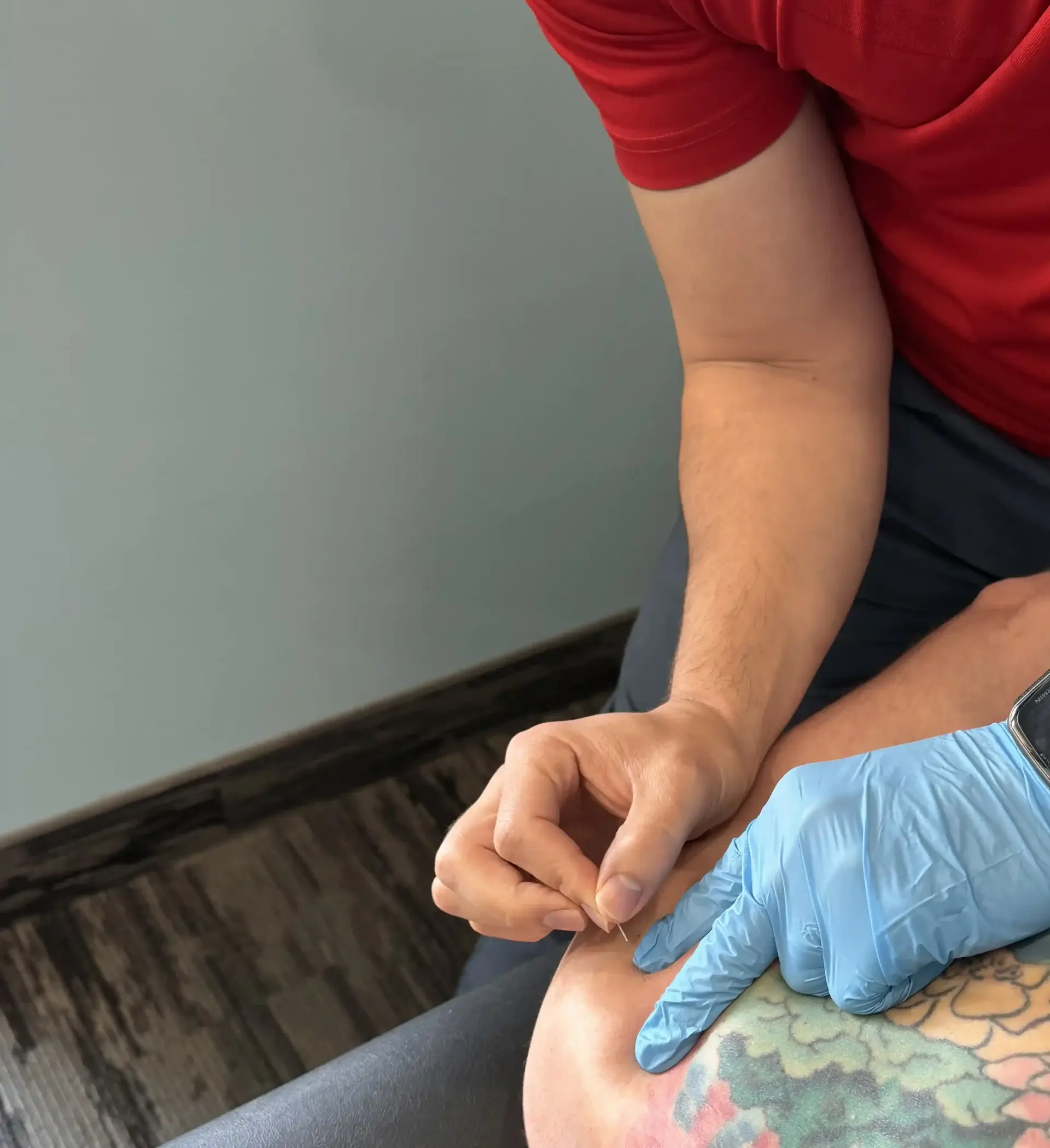
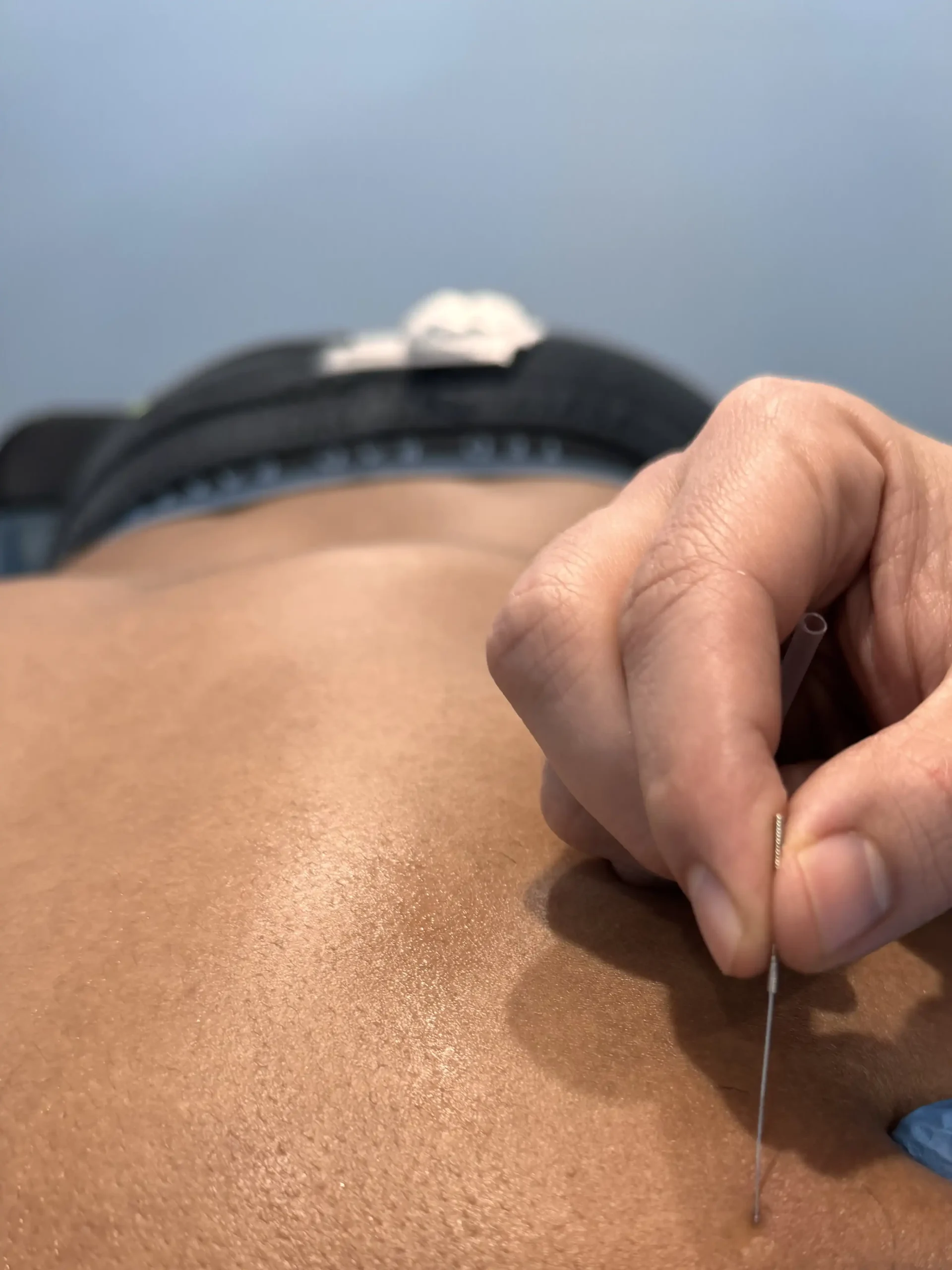
Acupuncture is a therapeutic technique that involves the insertion of fine, sterile needles into specific points on the body to help relieve pain, reduce muscle tension, and encourage the body’s natural healing response. Depending on your condition and treatment goals, dry needling may also be incorporated to target muscular trigger points and support recovery. These techniques can be effective for a wide range of musculoskeletal conditions and are often used alongside physiotherapy to restore movement and function.
Your care begins with a comprehensive assessment to understand your symptoms, medical history, movement patterns, and recovery goals. Based on your assessment, your clinician will determine whether acupuncture, dry needling, or a combination of treatment techniques is appropriate and integrate them into a plan designed to support your recovery.
Conditions Acupuncture Can Help Treat
Acupuncture and dry needling can be effective components of treatment for a wide range of musculoskeletal conditions. Depending on your symptoms, diagnosis, and recovery goals, your clinician may recommend one or both techniques to help relieve pain, reduce muscle tension, and support your rehabilitation.
Every condition is different, which is why treatment begins with understanding the source of your symptoms. Following your assessment, your clinician will determine whether acupuncture, dry needling, or a combination of therapies is best suited to your needs and incorporate those techniques into your overall rehabilitation plan.
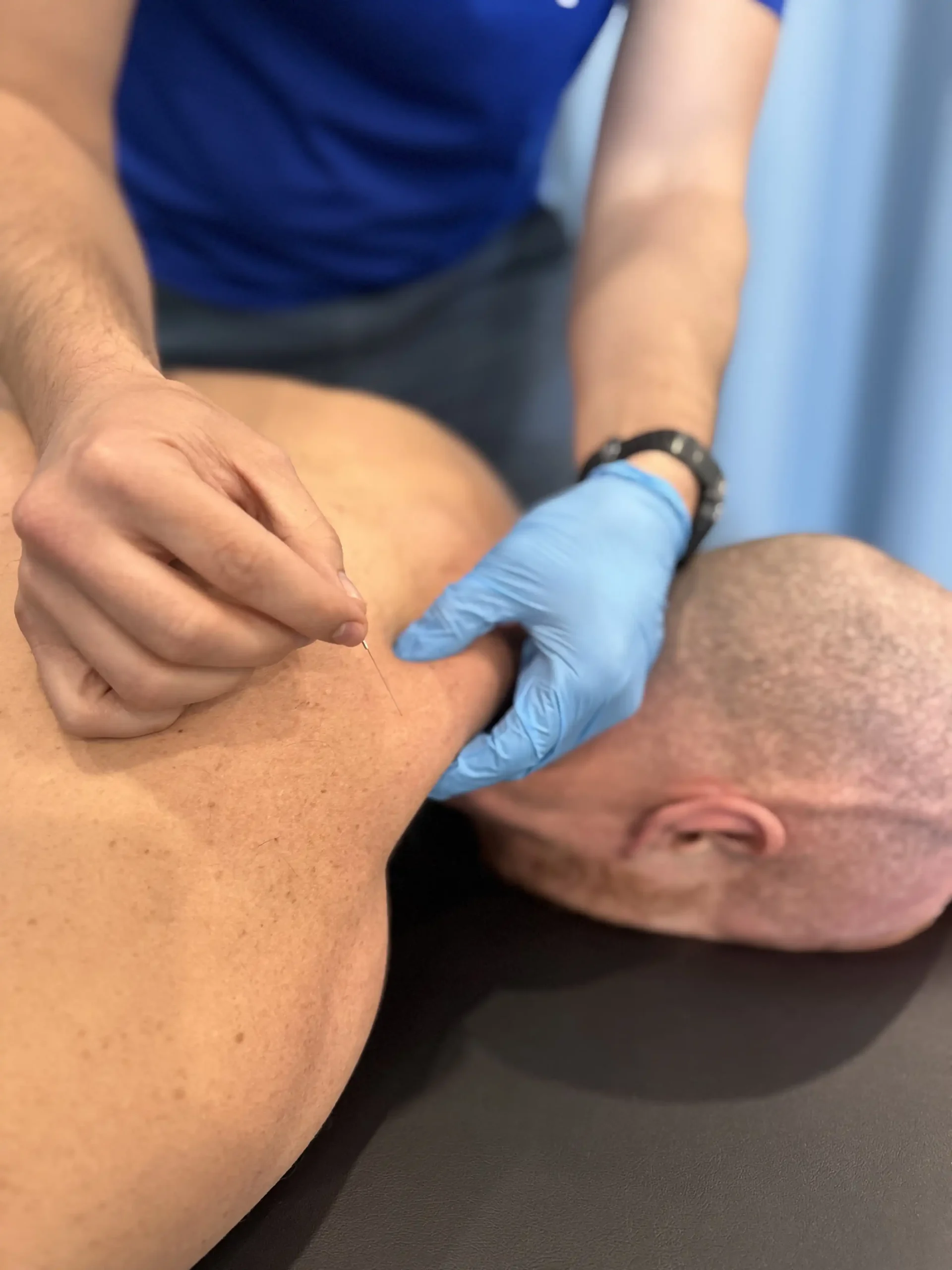
Neck, Back, and Joint Pain
Acupuncture and dry needling can help relieve muscle tension and discomfort affecting the neck, back, shoulders, hips, knees, and other joints. By addressing pain and improving mobility, these treatments can support healthy movement and make it easier to participate in everyday activities and rehabilitation.
- Neck pain
- Low back pain
- Upper back pain
- Shoulder pain
- Hip pain
- Knee pain
Sports Injuries and Muscle Tension
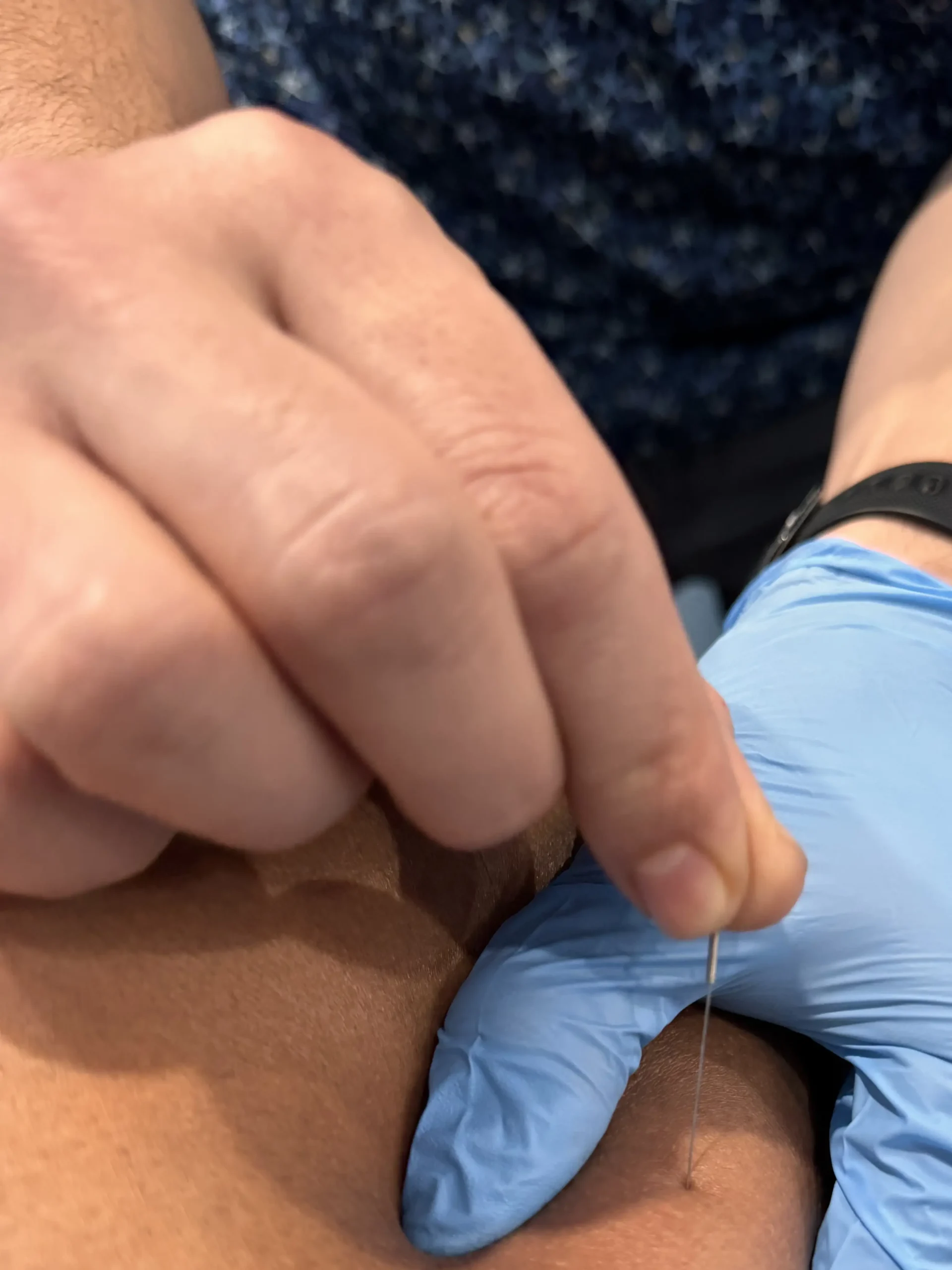
Sports injuries and repetitive physical activity can lead to muscle tightness, trigger points, and movement restrictions. Dry needling is often used to target tight or overactive muscles, while acupuncture may be incorporated to help relieve pain and support the body’s natural healing response. Both treatments can complement a physiotherapy rehabilitation program.
- Muscle strains
- Ligament sprains
- Tendonitis
- Tennis elbow
- Shin splints
- Sports-related muscle tightness
Chronic Pain and Headaches
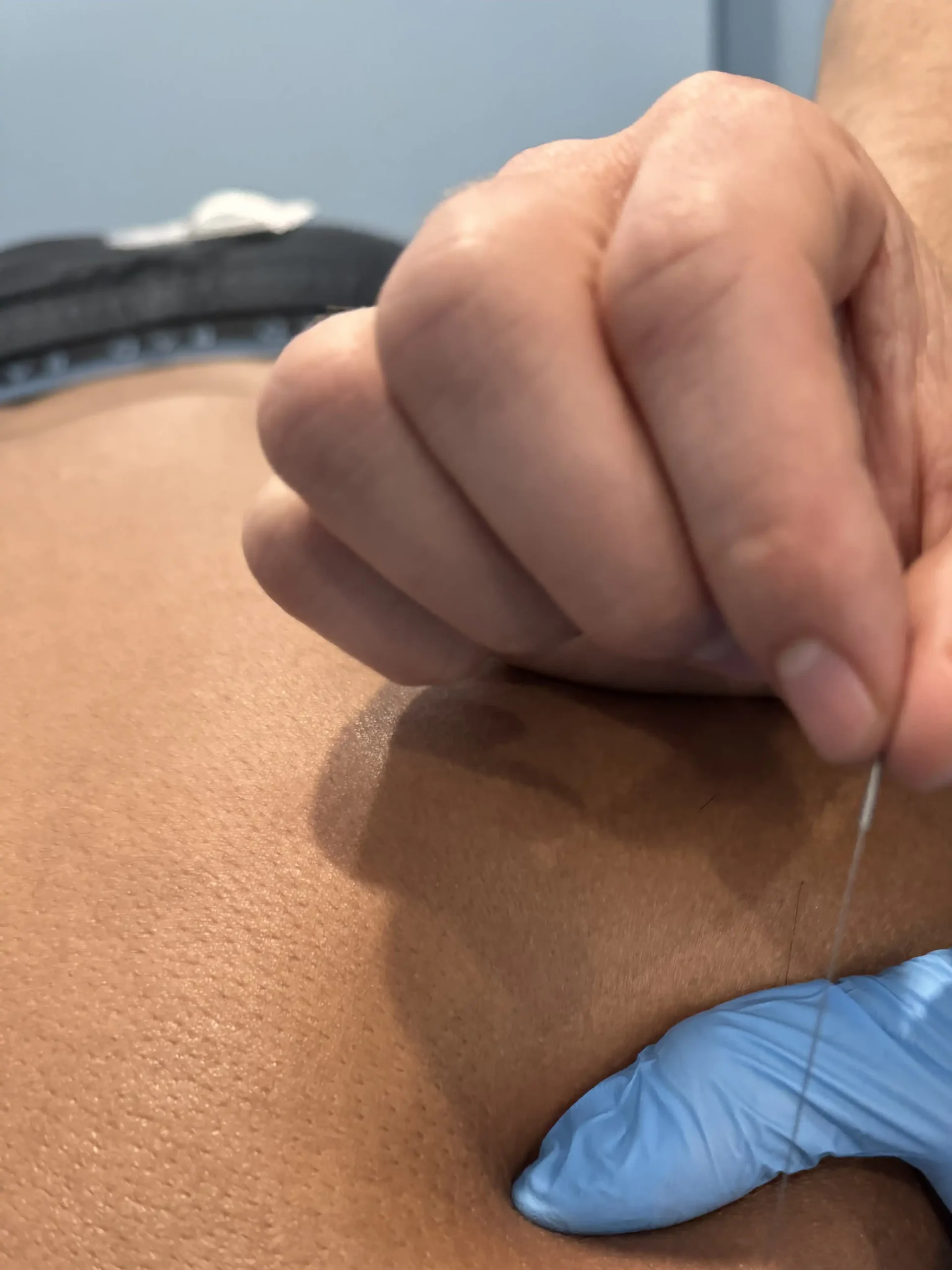
For people living with persistent musculoskeletal pain or tension-related headaches, acupuncture and dry needling may help reduce muscle tightness, improve comfort, and support long-term symptom management as part of a broader rehabilitation plan.
- Chronic neck and back pain
- Tension headaches
- Myofascial pain
- Jaw tension (TMJ-related muscle discomfort)
- Persistent muscle tightness
- Repetitive strain injuries
Personalized Acupuncture Treatment Designed Around Your Recovery
Acupuncture and dry needling are most effective when they’re integrated into a treatment strategy that’s built around your individual needs. At Sheddon Physiotherapy, your care is guided by a detailed assessment and may be combined with physiotherapy, manual therapy, or other evidence-informed treatments to support your recovery and long-term function.

Comprehensive Assessment
Your appointment begins with an evaluation of your symptoms, medical history, movement patterns, and functional goals. This assessment helps your clinician determine whether acupuncture, dry needling, or a combination of techniques is the most appropriate approach for your condition.

Acupuncture and Dry Needling
Using fine, sterile needles, your clinician will apply the technique best suited to your symptoms and recovery goals. Acupuncture is commonly used to help relieve pain and support the body’s natural healing response, while dry needling is often used to release muscular trigger points, reduce tension, and improve muscle function.

Integrated Rehabilitation
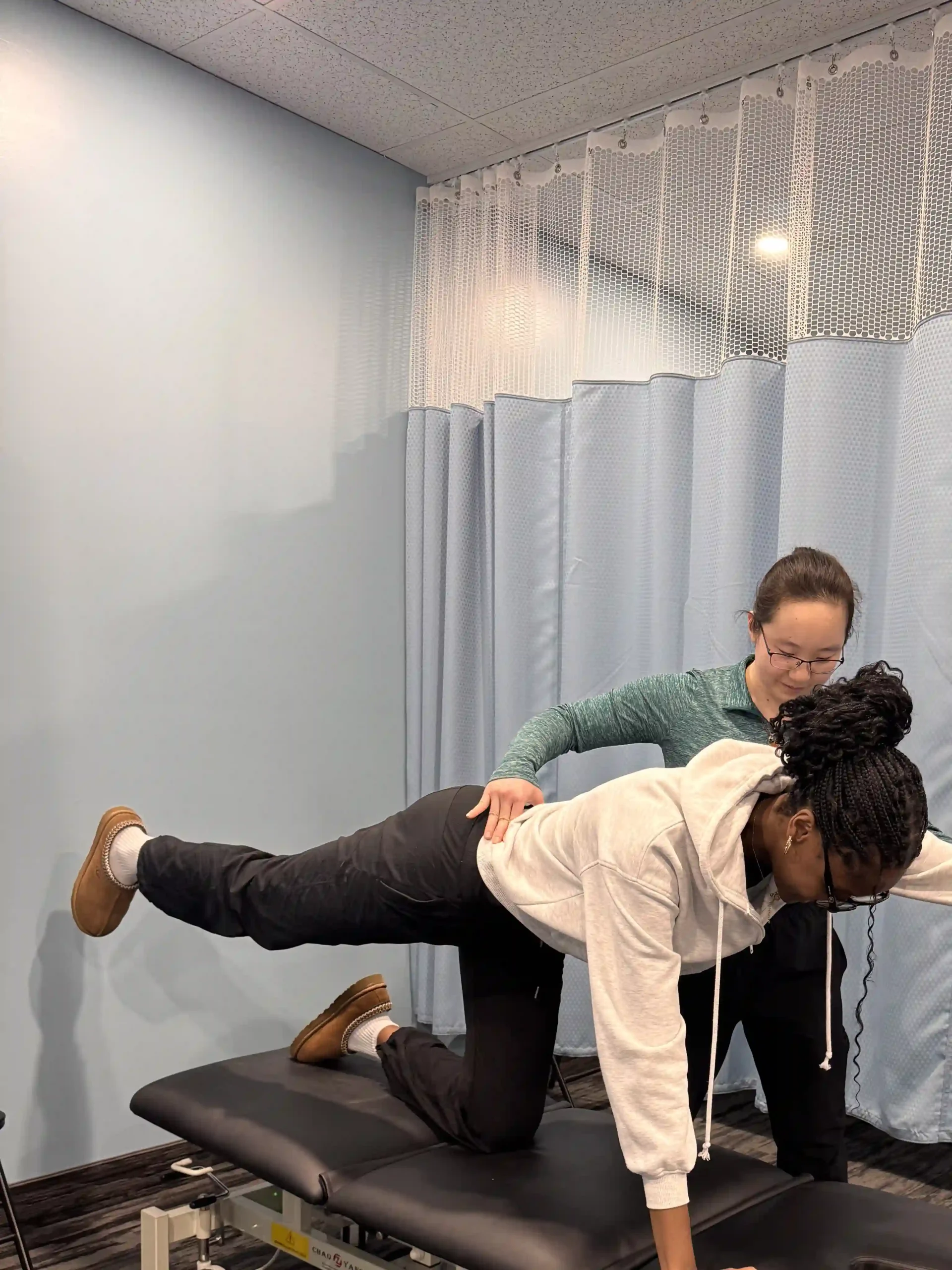
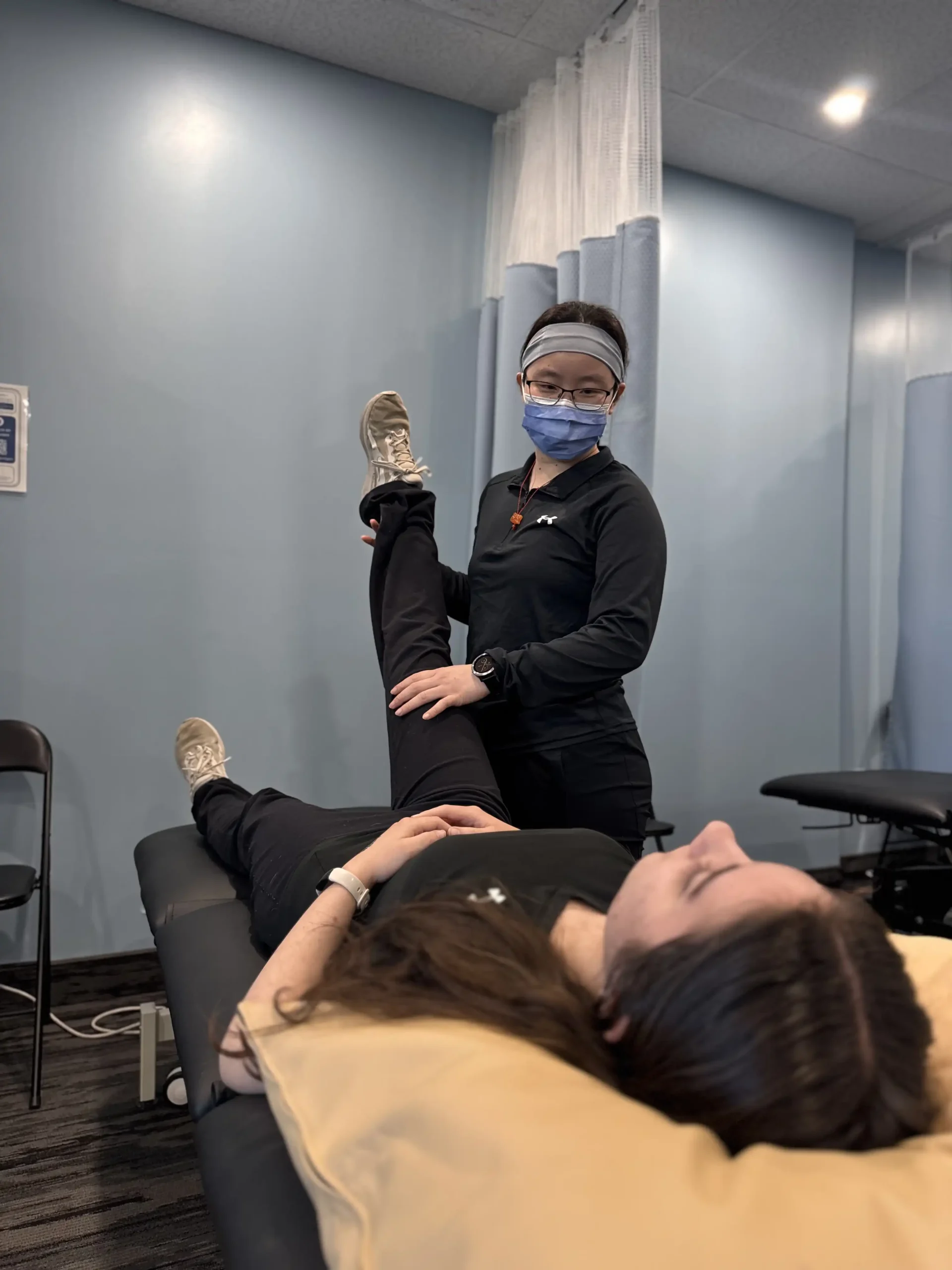
Needling techniques are often incorporated alongside physiotherapy, exercise therapy, manual therapy, and other rehabilitation approaches to improve movement, reduce discomfort, and support lasting recovery.

Ongoing Progress and Treatment Planning
As your recovery progresses, your treatment will be adjusted to reflect changes in your symptoms, movement, and functional goals. We’ll continue to monitor your response to care and adapt your rehabilitation program to help you achieve meaningful, long-term results.
Our Process
What to Expect at Your First Acupuncture Appointment
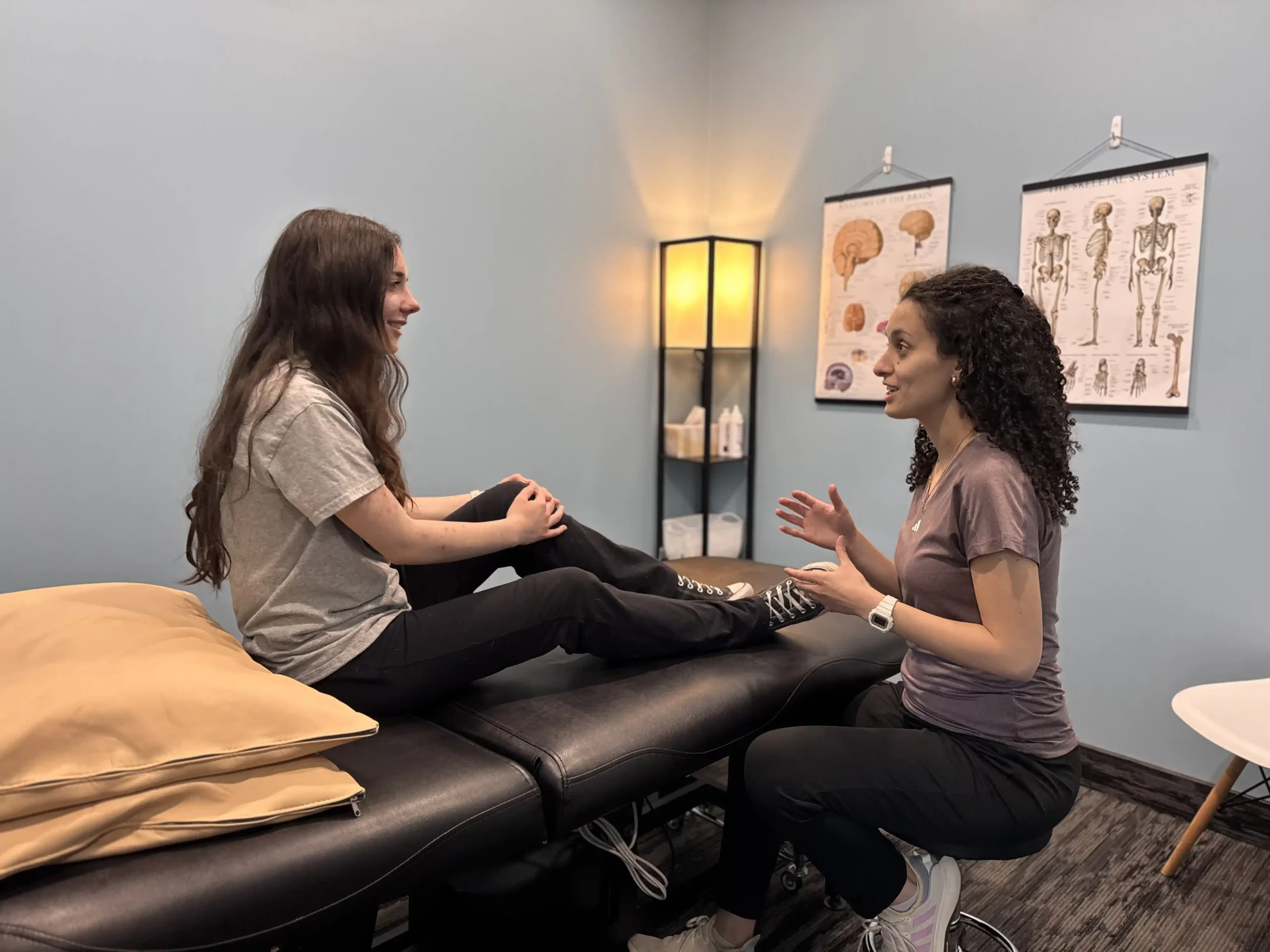
Your first acupuncture appointment is focused on understanding your symptoms, identifying the factors contributing to your condition, and determining whether acupuncture is the right treatment for you. Every step is designed to ensure your care is personalized, comfortable, and aligned with your recovery goals.

Comprehensive Assessment
We’ll begin by discussing your symptoms, medical history, daily activities, and treatment goals. A physical assessment may also be completed to better understand your condition and determine whether acupuncture is appropriate.

Personalized Treatment Plan
Based on your assessment, we’ll explain how acupuncture may help and answer any questions you have before beginning treatment. Your care plan will be tailored to your symptoms, overall health, and recovery goals.

Acupuncture Treatment
Fine, sterile needles are carefully placed at specific treatment points and left in place for a short period while you relax. Most patients find the treatment comfortable and experience little to no discomfort during needle insertion.

Ongoing Care and Recovery
As your treatment progresses, we’ll monitor your response and adjust your care plan as needed. If appropriate, acupuncture may be combined with physiotherapy or other treatments to help support your long-term recovery and overall function.
Benefits of Treatment
How Acupuncture and Dry Needling Support Recovery
Acupuncture and dry needling can play an important role in managing musculoskeletal pain and supporting rehabilitation. Whether used independently or alongside physiotherapy and other treatments, these techniques can help reduce discomfort, improve muscle function, and promote more efficient movement throughout your recovery.
Relieve Pain and Discomfort
Acupuncture and dry needling can help reduce pain associated with muscle, joint, and soft tissue conditions. By addressing the source of discomfort, treatment can make everyday movement and rehabilitation exercises more comfortable.
Reduce Muscle Tension and Improve Muscle Function
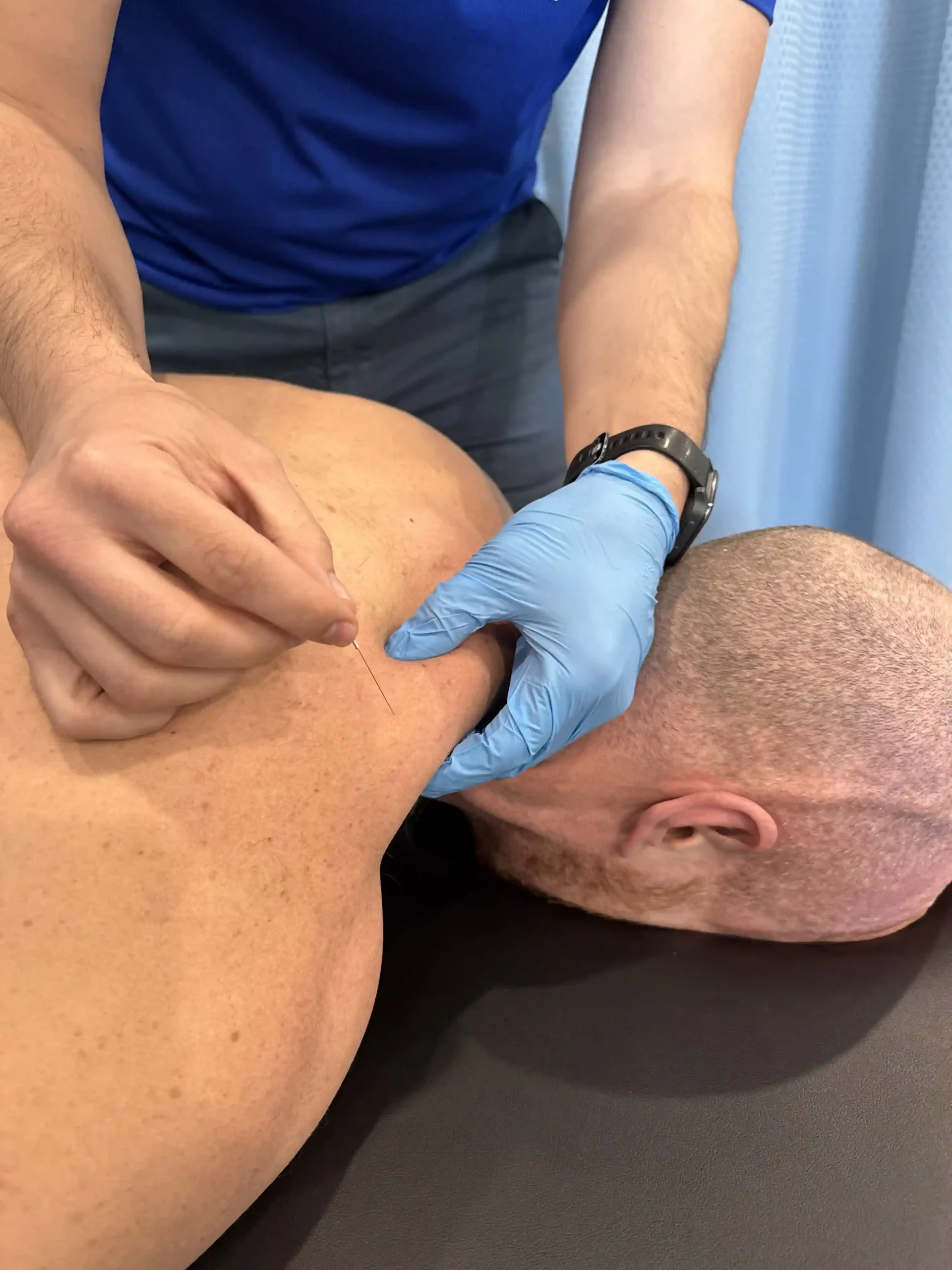
Dry needling can help release muscular trigger points and reduce persistent muscle tightness, while acupuncture may help ease tension and encourage relaxation. Together, these techniques can improve muscle function and support more natural movement.
Support Recovery from Injury
When incorporated into a rehabilitation program, acupuncture and dry needling can complement other treatments by helping manage symptoms, improving tissue mobility, and supporting your body’s recovery following injury or repetitive strain.
Improve Movement and Physical Performance
Reducing pain and improving muscle function can make it easier to move with confidence during work, sport, and everyday activities. Combined with an individualized rehabilitation program, acupuncture and dry needling help support long-term function and an active lifestyle.
Care You Can Trust
Why Choose Sheddon Physiotherapy for Acupuncture
At Sheddon Physiotherapy, acupuncture and dry needling are delivered as part of an evidence-informed approach to musculoskeletal care. Rather than treating symptoms in isolation, we assess how your condition affects movement, function, and recovery, then incorporate the treatment techniques that best support your goals.

Experienced Healthcare Professionals
Our clinicians are trained in the safe and effective use of acupuncture and dry needling for musculoskeletal conditions, delivering treatment with your comfort, safety, and recovery as the priority.

Individualized Care
Every person responds differently to treatment. We tailor each session to your symptoms, diagnosis, and progress, selecting the techniques that are most appropriate for your stage of recovery.

Integrated Rehabilitation
Acupuncture and dry needling are often combined with physiotherapy, massage therapy, sports chiropractic, and exercise-based rehabilitation to support recovery, improve movement, and address the underlying cause of your symptoms.
Evidence-Informed Treatment
Our recommendations are guided by clinical assessment, current evidence, and your individual needs, ensuring acupuncture and dry needling are incorporated when they’re appropriate for your condition.

Direct Billing and Flexible Scheduling
We offer direct billing to most major insurance providers whenever possible, along with flexible appointment times to help make accessing care simple and convenient.
Focused on Long-Term Results
Our goal is to help you do more than manage symptoms. We focus on supporting long-term recovery, improving movement, and helping you return to the activities that matter most.
Awards & Certifications


Related Services
Complement Your Acupuncture Treatment
Acupuncture is often most effective when combined with other evidence-informed treatments. Depending on your condition and recovery goals, our team may recommend additional services to improve movement, restore function, and support your long-term health.
Physiotherapy
Acupuncture can help relieve pain and muscle tension, while physiotherapy addresses the underlying movement patterns, strength, and mobility contributing to your condition. Together, they provide a comprehensive approach to recovery.

Massage Therapy
Massage therapy and acupuncture both help relieve muscle tension and support recovery. Combining these treatments can improve soft tissue health, reduce discomfort, and promote relaxation as part of your personalized care plan.

Sports Chiropractic
Sports chiropractic focuses on restoring joint mobility and improving movement mechanics. When combined with acupuncture, it can help relieve pain, improve function, and support your return to everyday activities or sport.

Making Care Accessible
Flexible Payment Options and Insurance Support
We aim to make accessing treatment care simple and stress-free. Our team will guide you through your coverage and payment options so you can focus on your recovery without added confusion.

Insurance Accepted
We accept most major extended health insurance plans and can help you understand your coverage before you begin treatment.
- Coverage varies by provider and plan
- Support with claim-related questions
- Assistance reviewing your benefits before your first visit

Direct Billing Available
Direct billing is available for many insurance providers, helping reduce upfront costs and streamline the payment process.
- Claims submitted on your behalf at the clinic
- Less out-of-pocket expense at time of visit
- Available for many major insurance providers

Transparent Pricing
We provide clear and upfront pricing so you know what to expect before starting treatment.
- No hidden fees or unexpected charges
- Guidance on session frequency and duration
- Clear explanation of treatment plans and costs
Built on Patient Trust
Trusted by Patients Across Burlington
We are proud to support our patients through every stage of recovery. From injury rehabilitation to long-term pain management, our focus is on delivering care that leads to real, lasting results.

Frequently Asked Questions About Acupuncture
Learn more about acupuncture and dry needling, including how they’re used, what conditions they can help treat, and what you can expect during your care. If you have additional questions, our team is always happy to help.
Does acupuncture or dry needling hurt?
Most people experience little to no discomfort during treatment. The needles used for both acupuncture and dry needling are extremely fine. Depending on the technique being used, you may feel a brief pinch, tingling sensation, or a muscle twitch. These sensations are typically short-lived, and many people feel relaxed during and after treatment.
What's the difference between acupuncture and dry needling?
Although both techniques use fine, sterile needles, they have different clinical purposes. Acupuncture is commonly used to help relieve pain and support the body’s natural healing response, while dry needling is often used to target muscular trigger points, reduce muscle tension, and improve muscle function. During your assessment, your clinician will determine which approach is most appropriate for your condition and recovery goals.
What conditions can acupuncture and dry needling help treat?
These techniques are commonly used to help manage musculoskeletal conditions such as neck pain, back pain, shoulder pain, muscle tension, sports injuries, headaches, tendinopathies, and joint pain. During your assessment, we’ll determine whether acupuncture, dry needling, or a combination of techniques is appropriate for your symptoms and recovery goals.
How many treatments will I need?
The number of treatments depends on your condition, the severity of your symptoms, and how you respond to care. Some people notice improvement after only a few sessions, while others benefit from treatment over a longer period as part of a broader rehabilitation program. Your clinician will discuss what you can expect following your assessment.
Can acupuncture and dry needling be combined with other treatments?
Yes. Acupuncture and dry needling are frequently integrated with physiotherapy, massage therapy, sports chiropractic, and exercise-based rehabilitation. Combining treatment approaches allows us to address pain, muscle function, movement, and recovery through a coordinated plan of care.

Contact Us
Ready to Feel Better and Move More Comfortably?
If you’re experiencing pain, muscle tension, or limited movement, acupuncture may be an effective part of your recovery. Our team will assess your condition, answer your questions, and develop a personalized treatment plan to help you feel and move your best.